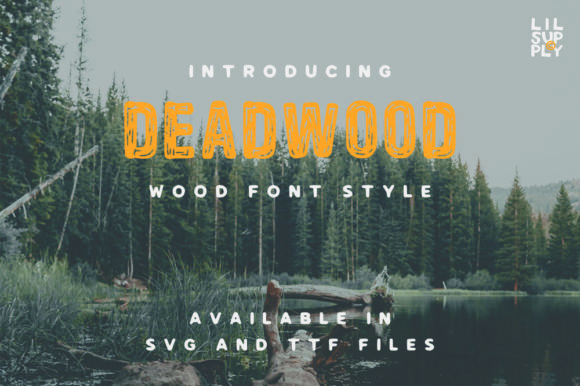
Deadwood Font: A Bold Display Typeface for Crafters
When you're designing a candle label, a wedding invitation, or a set of stickers, the font you choose isn't just about letters. It's the personality of your product. It communicates quality, theme, and emotion before a customer even reads the words. If your work leans toward the rustic, the adventurous, or the authentically handmade, the Deadwood font deserves a spot in your toolkit.
Deadwood is a display font with a chunky, bold, and unmistakably organic character. Its strokes are thick and confident, yet the overall shape feels friendly and grounded—like letters carved into wood or stamped onto rugged paper. This isn't a delicate, whispery script. It's a font that speaks with a clear, hearty voice, making it perfect for projects that need to stand out with warmth and strength.
The Creative Appeal of Deadwood for Physical Products
The charm of Deadwood lies in its balance. It's bold enough to command attention on a shop sign or a product package, but its slightly irregular, nature-inspired aesthetic keeps it from feeling cold or corporate. This makes it incredibly versatile for crafters who sell physical goods. Imagine a set of honey jars from a small apiary. A label using Deadwood for the brand name instantly suggests natural, raw quality. For a stationery designer creating wedding suites for a rustic venue, Deadwood on the welcome sign or ceremony program injects a dose of tailored, earthy elegance.
This font excels at creating a cohesive brand feel across different items. Use Deadwood for your main logo on your Etsy shop banner, then carry it through to your product tags, your packaging stickers, and even the branding on your thank-you cards. Consistency builds customer recognition and trust, and a distinctive font like Deadwood becomes a memorable part of your brand identity.
Practical Applications in Your Craft Business
Let's talk specifics. Where does Deadwood shine in a maker's daily work?
- Labels & Packaging: Candle labels, spice jar tags, artisan soap wrappers, and coffee bag branding. Deadwood’s boldness ensures readability from a shelf, while its style aligns perfectly with natural, handmade, or farmhouse-themed goods.
- Signage & Wall Art: Whether you're cutting a "Welcome" sign for a market stall with your Cricut, designing a "Farmhouse Rules" printable, or creating a set of motivational quotes for wall decals, Deadwood adds substantial visual weight and charm.
- Invitations & Stationery: For birthdays, weddings, or gatherings with an outdoor or adventurous theme, Deadwood makes a stunning choice for the main event title or names. It pairs beautifully with more detailed illustrations of forests, mountains, or florals.
- Seasonal & Holiday Designs: Think autumn harvest market tags, Halloween party invitation headers, or festive Christmas product packaging for a boutique. The font’s robust feel works wonderfully for seasonal communications that need a touch of rustic warmth.
- Apparel & Merchandise: When designing SVG files for t-shirts, tote bags, or mugs—say, for a hiking group or a nature-centric brand—Deadwood provides excellent clarity and impact. Its thick lines are ideal for cutting machines and result in clean, readable vinyl or heat-transfer applications.
Readability and Use Considerations
As a display font, Deadwood is best used for headlines, titles, short phrases, names, and decorative wording. It's not designed for long paragraphs of body text. This is its intended purpose: to make key information pop. For small items like sticker sets or product tags, its boldness is a benefit—it remains legible even at smaller sizes, though you should always preview your design in a mockup or print test. When used on items like greeting cards or invitations, combine Deadwood for the focal text with a simpler, more readable font for details like dates, addresses, or longer messages.
Crafting Effective Font Pairings
A great display font like Deadwood often needs a companion. Pairing it with a contrasting typeface creates a balanced, professional design. Since Deadwood is bold and has a rustic, almost serif-like solidity, it works wonderfully with clean, thin sans-serif fonts for supporting text. This combination provides modern contrast. For a more classic or elegant feel, try pairing it with a delicate script font for secondary elements—the script adds flourish, while Deadwood provides a stable, grounded anchor. Alternatively, a simple, classic serif font can also work well, creating a harmonious, traditional typography set perfect for wedding stationery or heritage-branded goods.
Always check the specifics of the Deadwood font file you purchase. Many premium fonts include useful extras like alternates for certain letters, ligatures, or multilingual support. These features can add unique flair and functionality to your designs, allowing you to customize a word or name for that perfect handmade touch.
A Note on Commercial Licensing
As a seller of physical products, printables, or digital designs, understanding your font license is crucial. When you purchase Deadwood, ensure the license covers commercial use for the types of work you do. This typically means you can use the font to create and sell physical items (like labels, signs, or apparel), sell digital templates or printables that include the font, and use it in client work for their products. A proper commercial license protects your business and respects the designer's work. It's a fundamental step in building a reliable, professional design asset library.
Incorporating Deadwood into your creative process means choosing a typeface with both character and utility. It’s a font that doesn’t just fill space; it sets a tone. It tells the story of your product—of adventure, of nature, of honest craftsmanship—before your customer even unpacks it. In a world of handmade goods, that first impression, carved in bold, friendly letters, is everything.